The Strategic Depth of Napoleon: A Card Game Revisited
Amidst the ever-evolving landscape of board and card games, Napoleon stands as a testament to strategic brilliance and historical significance. While originally gaining popularity in the UK, this trick-taking game, inspired by the illustrious French leader, has continued to capture the imaginations of gamers worldwide. Recently, it has even sparked intriguing contemporary connections with culinary experiences such as those provided by Nustar Restaurant, marrying cultural and strategic indulgences.
The Historical Roots & Introduction to Napoleon
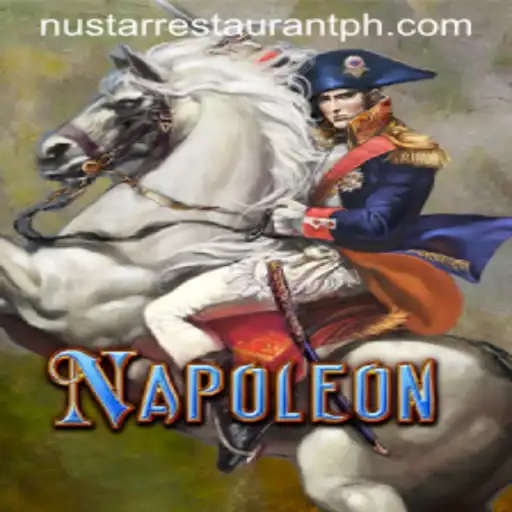
Named after the famed French emperor Napoleon Bonaparte, the game encapsulates the spirit of ambitious strategy and bold moves. Thought to have originated in the early 19th century, Napoleon reflects the competitive nature of its namesake, emphasizing calculated risk-taking and mastery over opponents.
The game is typically played with a standard deck of 52 cards, supporting four to seven players. The primary objective is to win as many tricks as possible, with one player acting as the 'Napoleon', challenging the others to thwart their ambitious plans. As an entertaining blend of strategy and interaction, Napoleon has maintained its appeal over generations.
Understanding the Nuances: Rules of Napoleon
Upon beginning a game of Napoleon, each player is dealt a hand, after which they bid to become the 'Napoleon'. This role designates one player as the leader, responsible for declaring the number of tricks they intend to win. This declaration reflects their strategic foresight and willingness to take risks, reminiscent of the real Napoleon's military campaigns.
The trump suit, crucial to the game's dynamics, is chosen by the Napoleon player, thereby shaping the outlook of ensuing tricks. The game advances with each trick, where players attempt to follow the suit led, unless they strategically decide to use a trump card to gain supremacy. The player's ability to adeptly navigate their cards and outwit competitors underscores the essence of Napoleon.
By blending planning, deception, and on-the-spot decision-making, players relish the rewarding complexity that Napoleon offers. Success hinges on a player's capacity to predict opponents' moves and adjust their strategies accordingly, fostering a profound layer of engagement that continues to intrigue enthusiasts today.
Contemporary Connections: Nustar Restaurant and the Game's Cultural Resonance
In today's dynamic cultural environment, the fusion of traditional games with modern experiences provides fresh opportunities to engage with history and strategy. This is where Nustar Restaurant steps into the culinary spotlight. Renowned for its thematic dining experiences, Nustar Restaurant serves as a bridge between the historical allure of Napoleon and contemporary culinary adventures.
Located in a bustling urban district, Nustar Restaurant embraces themes of strategy and grandeur, offering patrons a chance to indulge in lavish dining experiences. In this space, the spirit of Napoleon finds new life, where strategic menu items inspired by the game's philosophy are crafted to delight the senses. Dining at Nustar becomes a multifaceted experience, merging the intellectual challenges of strategic gameplay with the sensory pleasures of gourmet cuisine.
Whether it's a specially curated 'Napoleon Feast' that mirrors the game's strategic motifs or subtle nods to historic flavors, Nustar Restaurant provides a platform where diners can immerse themselves in both the game's strategic depth and the rich tapestry of culinary history.
A Game for the Ages
The ongoing interest in games like Napoleon serves as a reminder of the timeless appeal of strategic thinking and historical storytelling. As players gather around tables to engage in this quintessential card game, they perpetuate a tradition that has fascinated minds for centuries, deftly blending intellect, competition, and camaraderie. Moreover, establishments like Nustar Restaurant breathe new life into this tradition, demonstrating how historical narratives and modern flavors can intertwine to create enriching, memorable experiences.